By organizing food programs, supporting unhoused residents, helping create a heat-respite center, and assisting families through multiple crises, she addressed persistent challenges tied to poverty, climate, and access to resources.
By SMCC Student Jasmine Cade
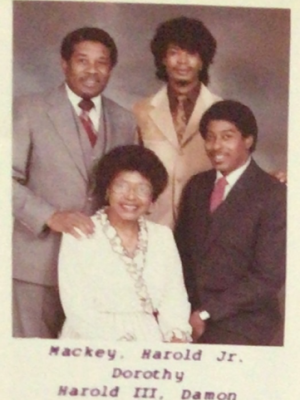
Dorothy Mackey is a long-time South Phoenix community leader whose service through Wesley United Methodist Church reflects a deep tradition of grassroots support in the area. South Phoenix experienced significant population growth in the decades following World War II, as returning veterans, working-class families, and migrants from the South settled near agricultural and industrial jobs.
As the neighborhood grew, it often lacked adequate city investment, making churches and community organizations essential sources of social services, advocacy, and mutual aid. Dorothy’s work fits squarely within this historical pattern of residents stepping in to care for one another when formal resources were limited.
Dorothy arrived in South Phoenix after spending years traveling around the world with her husband during his military service. After settling near South Mountain, she quickly connected with Wesley United Methodist Church, a long-standing institution in the community.
What began as simple church membership gradually developed into deep involvement as she built relationships with local families and recognized unmet needs. Over time, Dorothy became increasingly engaged in organizing programs that supported both spiritual life and everyday survival for residents.
One of Dorothy’s most significant contributions was her leadership in outreach efforts for vulnerable populations through the church. She helped organize food drives that provided reliable access to meals for unhoused individuals and low-income families, addressing food insecurity that had long affected South Phoenix.
She also played a key role in establishing a heat respite center, responding to Arizona’s increasingly dangerous summer temperatures, and offering a safe, air-conditioned space for those without adequate housing or cooling.
In addition to these efforts, Dorothy discussed helping coordinate clothing and hygiene supply distributions for families in need, as well as supporting youth and elderly residents through church-based assistance programs that offered stability and connection during difficult times.
Dorothy’s leadership became especially visible during moments of crisis. During the COVID-19 pandemic, Wesley United Methodist Church transformed into a vaccination and resource site, and Dorothy remained actively involved in ensuring the community had access to accurate information, medical services, and basic necessities.
Beyond the pandemic, she also described responding to extreme heat emergencies and economic downturns by expanding outreach efforts, demonstrating how community institutions repeatedly adapted to meet changing needs in South Phoenix. These efforts took place within a broader context of rapid growth, environmental stress, and inequality in Arizona. As South Phoenix expanded, residents increasingly relied on churches, mutual aid networks, and local leaders to address gaps in healthcare, housing, and social support.
Dorothy’s work strengthened this long-standing system of community care. By organizing food programs, supporting unhoused residents, helping create a heat-respite center, and assisting families through multiple crises, she addressed persistent challenges tied to poverty, climate, and access to resources. Her leadership highlights the critical role grassroots organizers play in sustaining communities during both everyday hardships and historic emergencies.
Dorothy Mackey remains active in Phoenix today, continuing her commitment to service and church leadership at Wesley United Methodist Church. She focuses on outreach efforts that support local families and vulnerable populations, maintaining the same dedication that has defined her decades of work.
Dorothy Mackey was interviewed on March 7, 2023, at South Mountain Community College by student researchers Lizbeth Bautista and Aliyah Jerry Lozano as part of the South Phoenix Oral History Project.